
Key Takeaways
- You can legally carry any amount of cash on a domestic flight in Texas, but law enforcement may seize it if officers believe it’s connected to illegal activity.
- Domestic airport cash seizures differ from U.S. Customs and Border Protection cases because no cash declaration is necessary when traveling between U.S. cities.
- Airport security officers don’t confiscate cash simply because you’re carrying a large amount, but screening officers may refer a traveler to law enforcement if they observe anything suggesting possible criminal activity.
- Drug Enforcement Agency (DEA) agents, Houston Airport System Police, Houston Police Department, Harris County Sheriff’s Office, and multi-agency task forces may investigate and seize currency at Houston airports.
- If your money is seized, you have the right to receive notice of seizure, challenge the civil forfeiture, present evidence showing the money came from a lawful source, and hire an attorney to represent you.
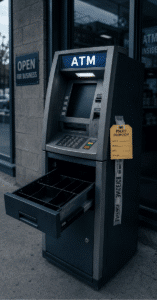
Unlike international travel, there’s no reporting requirement for currency when you’re flying between U.S. cities. Even so, travelers passing through George Bush Intercontinental Airport (IAH) or William P. Hobby Airport (HOU) sometimes have their funds seized after an encounter with law enforcement. These forfeiture cases tend to involve the Drug Enforcement Administration (DEA), airport police, or local narcotics task forces investigating suspected drug proceeds through civil asset forfeiture laws.
At the Law Office of Amanda Skillern, PLLC, we can help if your cash has been seized by federal, state, or local agencies. Amanda Skillern previously worked in the Harris County District Attorney’s Office Asset Forfeiture Division, giving her firsthand experience with how these investigations begin and how civil forfeiture cases move through the court system. This article explains how domestic airport cash seizures work in Texas and what you can do if your money has been taken.
Is It Legal to Carry Cash on a Domestic Flight?
Federal and Texas state law don’t limit the amount of money you can bring on a flight between U.S. destinations. If you’re traveling with cash from Houston to Dallas, Denver, Atlanta, or another city within the United States, you don’t have to inform the Transportation Security Administration (TSA) or complete a declaration form before boarding.
People carry large currency amounts for many lawful reasons. You may be:
- Purchasing a vehicle from a private seller
- Attending a livestock auction
- Buying equipment for your business
- Paying contractors
- Bringing funds to a real estate closing
That said, when you’re transporting a lot of money, it can draw the attention of officers working at or near an airport. If they believe the currency is connected to drug trafficking sources, money laundering, or another criminal offense, they may seize it through civil asset forfeiture laws, even if you’re not arrested or charged with a crime.
Why Do Airport Cash Seizures Happen on Domestic Flights?
Many people assume the Transportation Security Administration is responsible for cash seizures at airports. In reality, TSA’s job is to protect the nation’s transportation system by screening passengers and baggage for weapons, explosives, and other security threats. However, a TSA screening may change direction if personnel discover something potentially amiss. For example, a screener may contact airport police after:
- Finding a large amount of currency packaged in a suspicious manner
- Discovering illegal drugs during baggage screening
- Observing evidence or behaviors that raise concerns beyond aviation security
Once the police arrive, they may question you about the source of the money, your travel plans, and the purpose of your trip. If they believe they have probable cause to think the money is connected to criminal activity, they may seize it under federal or Texas civil forfeiture laws.
Which Agencies Can Seize Cash at Houston Airports?
- Drug Enforcement Administration (DEA): The Drug Enforcement Administration (DEA) enforces federal drug laws and participates in airport interdiction operations throughout the United States. If agents believe currency is connected to drug trafficking or represents proceeds from illegal drug sales, they may seize it. Federal agencies may also adopt a seizure that began with a state or local department, meaning the federal government assumes responsibility for the forfeiture case.
- Houston Airport System Police: Houston Airport System Police provide law enforcement services at both IAH and HOU. Officers respond to incidents throughout airport property, conduct criminal inquiries, and coordinate with other departments. If they believe currency is subject to forfeiture, they may seize the funds or transfer the case to another department with jurisdiction.
- Houston Police Department: Houston Police Department officers may participate when suspected criminal activity extends beyond airport property or develops through a joint operation. If the evidence supports violations involving drug trafficking, money laundering, or another offense that permits forfeiture, HPD may pursue the case under Texas law or work alongside federal agents.
- Harris County Sheriff’s Office: The Harris County Sheriff’s Office handles narcotics enforcement throughout Harris County and regularly participates in joint interdiction efforts. Deputies may assist with airport cases or become involved after authorities connect the seized currency to suspected criminal activity elsewhere in the county.
- Multi-Agency Task Forces: Airport currency seizures usually involve partnerships between federal, state, and local law enforcement. These teams share intelligence, coordinate enforcement efforts, and determine whether the forfeiture will proceed.
Can Police Take Your Money Without Arresting You?
Yes. Law enforcement officers may seize currency without making an arrest if they believe the money is connected to illegal activity. In these situations, the government seeks ownership of the property instead of pursuing criminal charges against the person carrying it.
Civil asset forfeiture is separate from a criminal prosecution. A criminal court determines whether a person committed an offense, while a forfeiture action determines whether the property is connected to criminal enterprises. That’s why these lawsuits are filed against the property itself instead of the owner. For example, the case may have a title such as United States v. $25,000 in U.S. Currency or State of Texas v. One 2022 Ford F-150.
If this happens to you, you have the right to contest the forfeiture, present records showing where the money came from, and compel the government to prove its case. Federal and Texas forfeiture laws also impose filing deadlines, so you’ll want to speak to a Texas airport cash seizure lawyer as soon as possible.
What May Make Law Enforcement Suspect Cash Is Connected to Criminal Activity?
- Large Amounts of Currency: Transporting large sums isn’t illegal, but investigators may ask where the funds came from, why you’re transporting them, and how they’ll be used after you reach your destination. They may also compare your answers with bank slips, purchase agreements, receipts, or other documents you have with you.
- How the Currency Is Packaged: Investigators may take a closer look at currency bundled with rubber bands, sealed in vacuum bags, wrapped in plastic, or hidden inside luggage, clothing, electronic devices, or other containers.
- Travel Plans and Ticket Information: Your travel itinerary may also garner attention. Investigators sometimes review one-way tickets, last-minute reservations, short trips, or repeated travel between locations identified in narcotics investigations as source or distribution areas.
- Statements Made During the Encounter: During an interview, officers may ask about your occupation, the source of the money, your destination, and the purpose of your trip. Conflicting explanations or demonstrably false statements may contribute to probable cause, even if carrying the money itself is lawful.
- Drug Detection Dogs: Some airport investigations include the use of trained narcotics detection dogs. If the animal alerts during the inspection, law enforcement may use it to support reasonable suspicion.
- Other Evidence: Police investigators may also rely on items or information collected during the encounter, including illegal drugs, drug paraphernalia, financial records, mobile phone communications, surveillance footage, or witness statements.
What Happens After Cash Is Seized?
Once your cash has been taken, the airport encounter is only the beginning. From that point forward, the government must follow the procedures governing the action, which generally include:
- Providing written notice of seizure
- Preserving the property
- Giving the owner an opportunity to challenge the forfeiture
Receipt for the Seized Property
Before leaving the airport, you should receive documentation related to the seizure. Depending on the law enforcement agency involved, the seizure paperwork may list the following:
- The name of the law enforcement agency
- Date and location of the seizure
- The officers involved
- Contact information for the agency maintaining custody of the property
Keep these documents because you’ll need the information they contain if you decide to contest the forfeiture.
Written Notice of Forfeiture
After the seizure, the government must notify you that it intends to seek forfeiture of the property. That notification generally identifies the grounds for the action and explains how to challenge it.
Filing a Claim
If you decide to contest the forfeiture, you’ll generally need to file before the applicable deadline expires. The supporting documents needed under federal law differ from those required under Texas state law, making it important to determine which system governs the action. Failing to respond on time may allow the government to obtain a default forfeiture.
Court Proceedings
When a civil forfeiture petition is contested, the dispute may proceed to court, where both sides present evidence supporting their positions. The judge then determines whether the government has satisfied the legal requirements for forfeiture. If not, the property is usually ordered returned to you.
What Evidence Can Help Show the Money Is Legitimate?
If law enforcement officers seize your currency, you’ll need proof showing where it came from and why you were transporting it. Recommended documentation generally depends on the purpose of your trip and the reason you were carrying the money.
- Bank Statements and Withdrawal Receipts: Bank slips and withdrawal receipts may show that the currency came from an account in your name shortly before your trip. The dates and amounts listed on these records can support your explanation.
- Business Accounting Documents: If you’re a business owner, you may be able to use invoices, customer payment histories, accounting ledgers, deposit histories, tax returns, and similar financial documents to show that the currency resulted from legitimate business operations.
- Bills of Sale and Purchase Agreements: If you were traveling to buy or sell a vehicle, heavy equipment, livestock, firearms, or collectibles, a signed purchase agreement or bill of sale may support your explanation. Emails, text messages, advertisements, and correspondence with the other party may also help demonstrate that the transaction had been planned before your flight.
- Real Estate Transaction Documents: Money carried for a real estate purchase may be supported by purchase contracts, settlement statements, escrow instructions, or communications with a title company or attorney. Together, these materials can show both the source of the money and its intended use.
- Employment and Income Records: Pay stubs, commission statements, payroll documents, and tax returns may help establish how the currency was accumulated over time. If you operate your own business, profit and loss statements or other financial records may also support your explanation.
- Estate and Insurance Documents: Probate filings, inheritance distributions, insurance settlement paperwork, and related financial documents may explain why you were transporting a large amount of cash. These materials can establish ownership and connect the money to a lawful source.
What Rights Do Travelers Have After a Cash Seizure?
- The Right to Receive Written Notification: The government must notify you that it intends to seek forfeiture of the seized currency. That written notification generally identifies the legal authority supporting the proceeding, explains how to respond, and includes filing instructions and applicable deadlines.
- The Right to Challenge the Government’s Allegations: Property owners have the opportunity to dispute the government’s claim that the money is connected to illegal activity. Filing the required documents allows you to ask the court to review the evidence instead of allowing the forfeiture to proceed by default.
- The Right to Present Supporting Proof: You may introduce bank records, purchase agreements, tax returns, accounting records, witness testimony, electronic communications, and other admissible proof supporting your ownership claim. You may also challenge the government’s witnesses, documents, and other proof presented in support of forfeiture.
- The Right to Hire an Attorney: You may retain legal counsel to prepare court filings, communicate with government attorneys, gather financial records, and advocate for you throughout the forfeiture proceeding. An attorney can also evaluate the government’s evidence, identify legal defenses, and present your position before the court.
- The Right to Seek Appellate Review: If the court enters a final judgment ordering forfeiture of your property, appellate review may be available. Filing deadlines also apply to appeals, making it important to review your options as soon as a judgment is entered.
Was Your Cash Seized at a Houston Airport? Call the Law Office of Amanda Skillern!
Carrying cash on a domestic flight in Texas is legal, regardless of the amount you’re transporting. Even so, law enforcement officers working at Houston airports may seize currency if they believe probable cause exists to connect the money to drug trafficking or another offense.
If this happens to you at George Bush Intercontinental Airport, William P. Hobby Airport, or any other United States airport, call the Law Office of Amanda Skillern. We represent clients in federal and state forfeiture proceedings involving airport cash seizures. If the TSA or police have taken your money during domestic air travel, contact us. To schedule a confidential case evaluation with a civil asset forfeiture lawyer in Harris County, call us at 832-954-4722 or contact our legal team online today.

Contrary to popular belief, Lorem Ipsum is not simply random text. It has roots in a piece of classical Latin literature from 45 BC, making it over years old. Richard McClintock, a Latin professor at Hampden- Sydney College in up one of the more obscure Latin words, consectetur.